

Know your dates
The average first freeze in the Dallas area is November 22 and the average last is March 12, but averages hide the real risk: an Arctic front can push Rockwall into the single digits, as it did in February 2021 and again in the following winters. Hardy plants shrug off the average winter; the once-in-a-decade freeze is what you plan for.
What needs protecting, and what does not
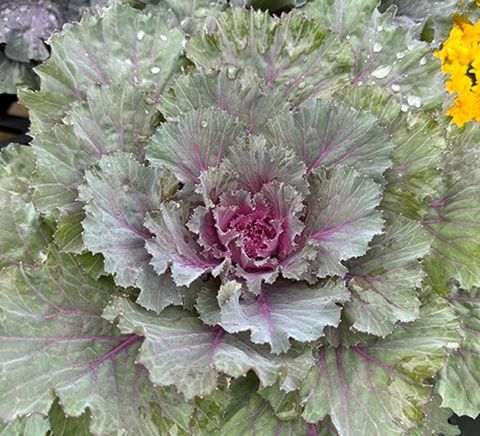
Leave alone: established trees, hollies, boxwood, nandina, junipers, pansies, violas, kale and cabbage, most perennials (they are dormant underground). Cover when a hard freeze (below about 25°) is forecast: loropetalum and Indian hawthorn in their first year, gardenias, pittosporum, star jasmine, figs, citrus in pots, and anything you planted in the last few weeks. Bring inside: tropicals — hibiscus, bougainvillea, mandevilla, plumeria, ferns and houseplants that summered outdoors.
How to cover a plant
Use frost cloth (or an old sheet or blanket), not plastic — plastic touching leaves conducts the cold straight into them. Drape it all the way to the ground and weigh the edges down so it traps the warmth coming up out of the soil; a tent that stops at the trunk does nothing. A string of old-fashioned incandescent lights under the cloth adds several degrees. Take covers off once temperatures climb above freezing the next day.
Water before a freeze. Moist soil holds far more heat than dry soil, and a well-watered plant is much more freeze-tolerant than a stressed one. Water the day before a front arrives, not during it.
After the freeze: wait
Brown, mushy leaves are not a verdict. Leave freeze-damaged plants alone until new growth appears in March — cutting back too early exposes live tissue to the next freeze, and many plants that look dead in January (lantana, esperanza, plumbago, hibiscus, even crape myrtles) sprout from the base. Scratch a stem with a thumbnail: green underneath means alive.
Winter is a planting season too
Trees and shrubs can be planted any time the ground is not frozen, which in Rockwall is nearly every day of winter. It is the best time to plant balled-and-burlap trees and bare-root roses and fruit trees. Pansies, violas, snapdragons and dianthus can go in through February and will bloom until May. Plant chilled tulip bulbs in December and January; plant onion sets and seed potatoes in mid-February.
Pruning
Late winter — February — is pruning season for most things: fruit trees, roses (Valentine's Day is the traditional cue), summer-blooming shrubs, and ornamental grasses. Do not prune spring bloomers (azaleas, spirea, forsythia, redbuds) until after they flower, and do not top crape myrtles; take out crossing and inward branches instead. Live oaks and red oaks are best pruned in the dead of winter to avoid oak wilt, which spreads through fresh wounds in spring.
Written by the Nursery Professionals at Landscape Source Nursery, 167 Ole West Lane, Rockwall. Questions? Call (469) 698-0037 or send us a note.