

The calendar
The average last freeze in the Dallas area is March 12, but it has frozen as late as mid-April, so we keep frost cloth handy through Easter. Soil warms fast once nights stay above 50°, and by early May we are already into summer conditions.
February and early March: get ahead of the weeds
Put down a pre-emergent on the lawn between mid-February and early March — when the redbuds start to bloom is the traditional cue — to stop crabgrass and grassburs before they sprout. It does nothing to weeds already up; it only stops seeds from germinating, so timing is everything. Prune roses and crape myrtles (lightly — no "crape murder"), cut ornamental grasses back to 6 inches, and cut back last year's perennials before new growth starts.
Mid-March: trees, shrubs and cool-season color
Trees and shrubs can go in as soon as the ground is workable — the earlier in spring the better, so roots get established before summer. Pansies, snapdragons, dianthus and stock are still in their glory and will run into May. Plant seed potatoes, onion sets, lettuce, spinach and broccoli transplants now; they will not tolerate the heat that is coming.
April: the big planting month
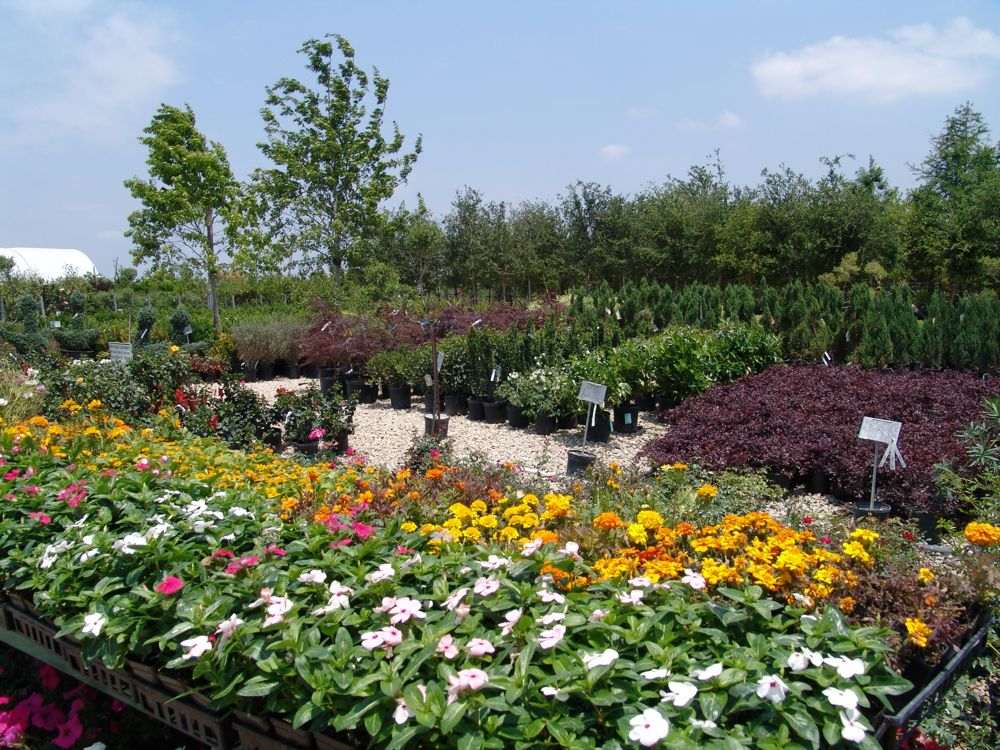
After the last freeze, plant warm-season annuals — petunias, marigolds, zinnias, periwinkle, lantana, begonias — and perennials of every kind. Tomatoes and peppers go in the first half of April (any later and they will not set fruit before the heat shuts them down). Fertilize the lawn after its second mowing, and feed shrubs and trees with a slow-release fertilizer. Mulch every bed 2–3 inches deep before May; it is the single best thing you can do for a North Texas summer.
May: fill in and switch to summer mode
Pull the tired pansies and replace with heat-lovers: vinca, pentas, purslane, coleus in shade, salvia and lantana in sun. Plant caladiums once the soil is warm. Start watching for aphids on new growth (a hard spray of water handles most of them) and for fungal leaf spot after wet weeks. By Memorial Day, treat every plant as if it were summer.
Buy now, in this order
- Pre-emergent (February) and a fertilizer for your lawn type.
- Trees and shrubs — the earlier the better.
- Mulch, compost and expanded shale for any new bed.
- Tomatoes and peppers the first week of April, then annual color.
- Frost cloth if you do not already own some. You will use it.
The Plant Finder will show you everything that shines in spring, and the month-by-month calendar has the short version of all of this.
Written by the Nursery Professionals at Landscape Source Nursery, 167 Ole West Lane, Rockwall. Questions? Call (469) 698-0037 or send us a note.