


Tree · North Texas care guide
Ulmus parvifolia
Nursery Pro tip: Fast shade, beautiful mottled bark, and it laughs at our summers.
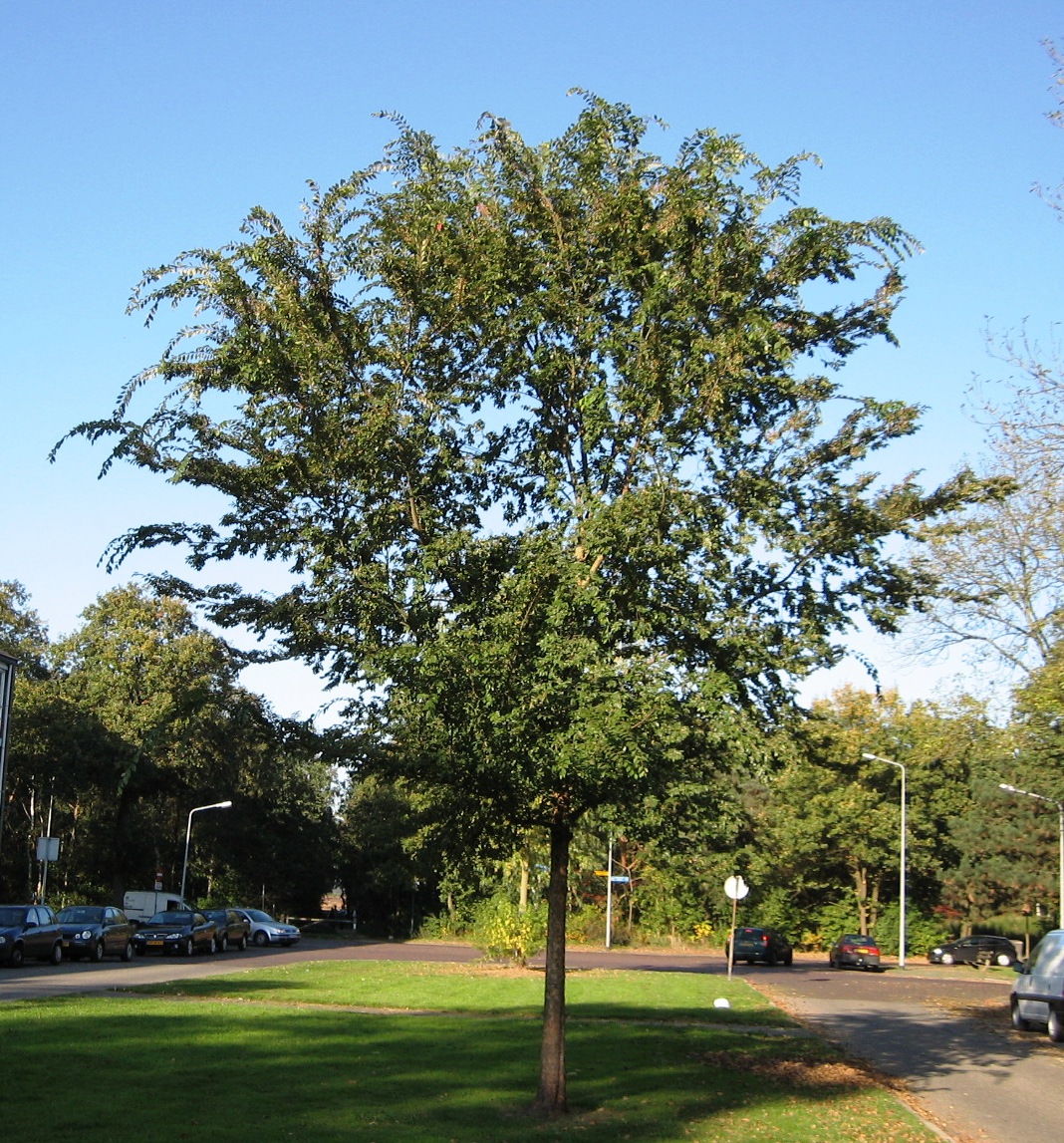
A graceful, medium-fast shade tree with small glossy leaves, a rounded vase shape, yellow fall color and beautiful mottled, peeling bark in gray, green and orange. Tough, adaptable and resistant to Dutch elm disease. Distinct from the weedy Siberian elm — this one is a keeper.
Full sun, any soil that drains. 40–50 ft tall and wide; keep 15 ft from the house. Good near patios because of its filtered shade.
Fall or spring. Wide hole, ball at grade, native soil, Root Stimulator, mulch. Stake loosely the first year.
Weekly the first summer, every other week the second, then only in drought.
Spring tree fertilizer while young.
Winter. Remove crossing and weak-angled branches early — it can be heavily branched when young. Not an oak; no seasonal restriction.
Some cultivars (like 'Drake') are less cold-hardy — the ones we carry are chosen for North Texas. Occasional elm leaf beetle or aphids; rarely serious. Can reseed in beds.
A patio or lawn shade tree with a lighter canopy than oaks, so lawn and beds beneath do well. Combine with crape myrtle and Chinese pistache.
Written for Rockwall's black clay, heat and winters by the Landscape Source team. Every yard is different — bring a photo by, or ask LS-Ai, and we'll tailor it to your spot.