


Tree · North Texas care guide
Quercus shumardii
Nursery Pro tip: Fast-growing native oak with reliable red fall color. Plant in fall or winter.
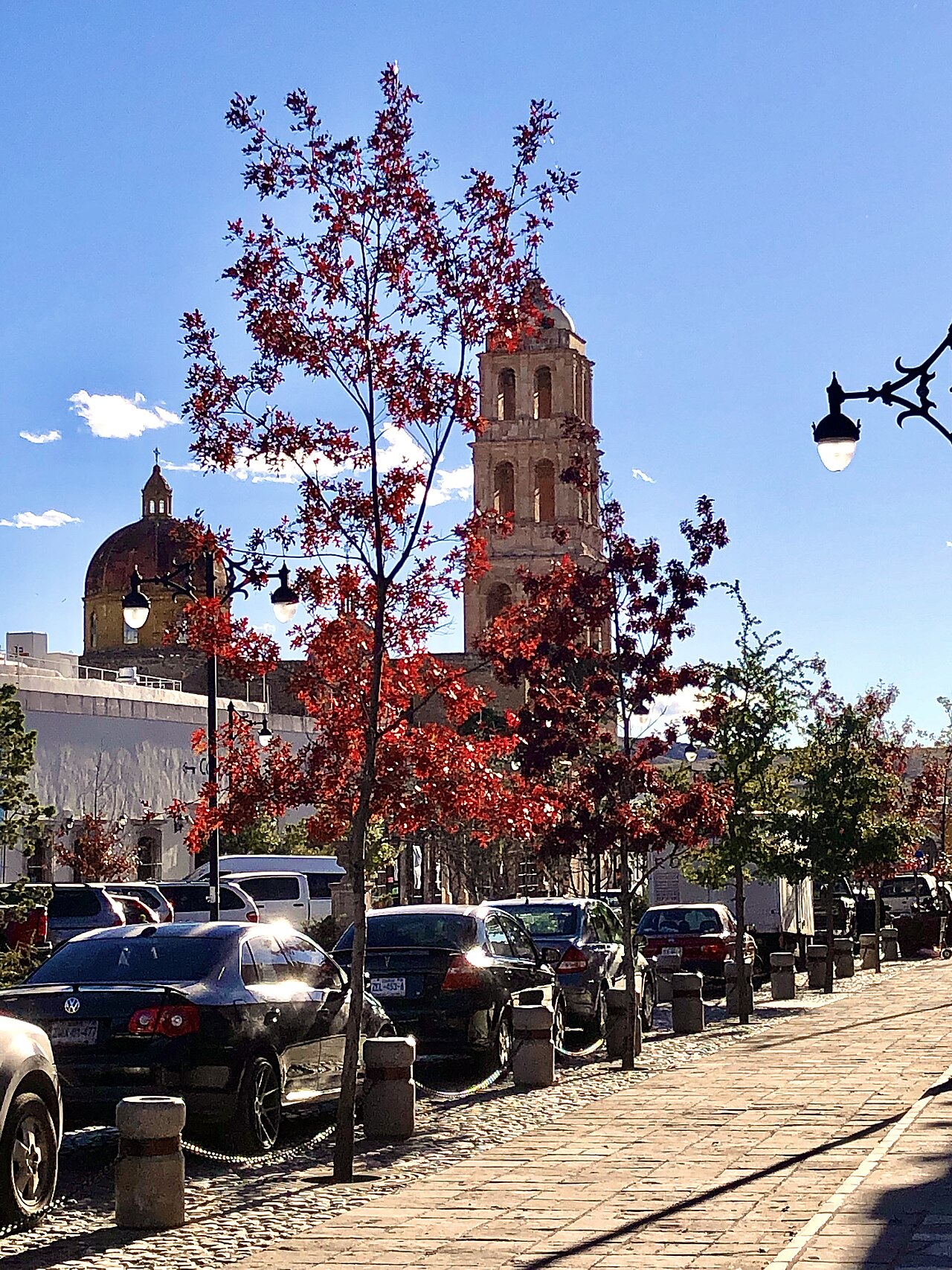
The fast, upright red oak that turns scarlet in November — the best fall color of any large tree that thrives in our soil. Straight trunk, high canopy, two to three feet of growth a year once it gets going.
Full sun, deep soil, and 15–20 ft from structures. Handles Blackland clay and mild alkalinity well (it is the red oak to plant here; pin oaks and other northern red oaks turn yellow in our pH).
Fall and winter planting gives it a whole season of root growth before the heat. Wide, shallow hole; root flare at or slightly above grade; native soil backfill; Root Stimulator; 3 inches of mulch in a wide ring.
Two deep soakings a week the first summer, one a week the second and third. Established trees only need help in a drought like 2011 or 2022. Never let a newly planted oak dry out in August.
Slow-release tree fertilizer in spring for the first three years; after that lawn feeding covers it. Chelated iron or sulfur if leaves show green veins on yellow (uncommon on Shumard, common on the wrong oak).
Winter only (December–early February), paint the cuts — oak wilt. Establish one central leader early and remove crossing branches while they're pencil-sized.
Oak wilt (winter pruning, no wounds in spring). Sunscald on the southwest side of a young trunk — wrap it or leave low branches the first two years. Hypoxylon canker hits drought-stressed trees, so keep watering in dry summers.
The go-to shade tree for a new home lot. Combine with a Chinese pistache or cedar elm for staggered fall color; underplant with Asian jasmine or mondo once the canopy fills in.
Written for Rockwall's black clay, heat and winters by the Landscape Source team. Every yard is different — bring a photo by, or ask LS-Ai, and we'll tailor it to your spot.