


Shrub · North Texas care guide
Hydrangea macrophylla
Nursery Pro tip: Morning sun only, deep mulch, and water like it's a fern. Rebloomers like 'BloomStruck' flower on old and new wood, so a freeze doesn't cost you the show.
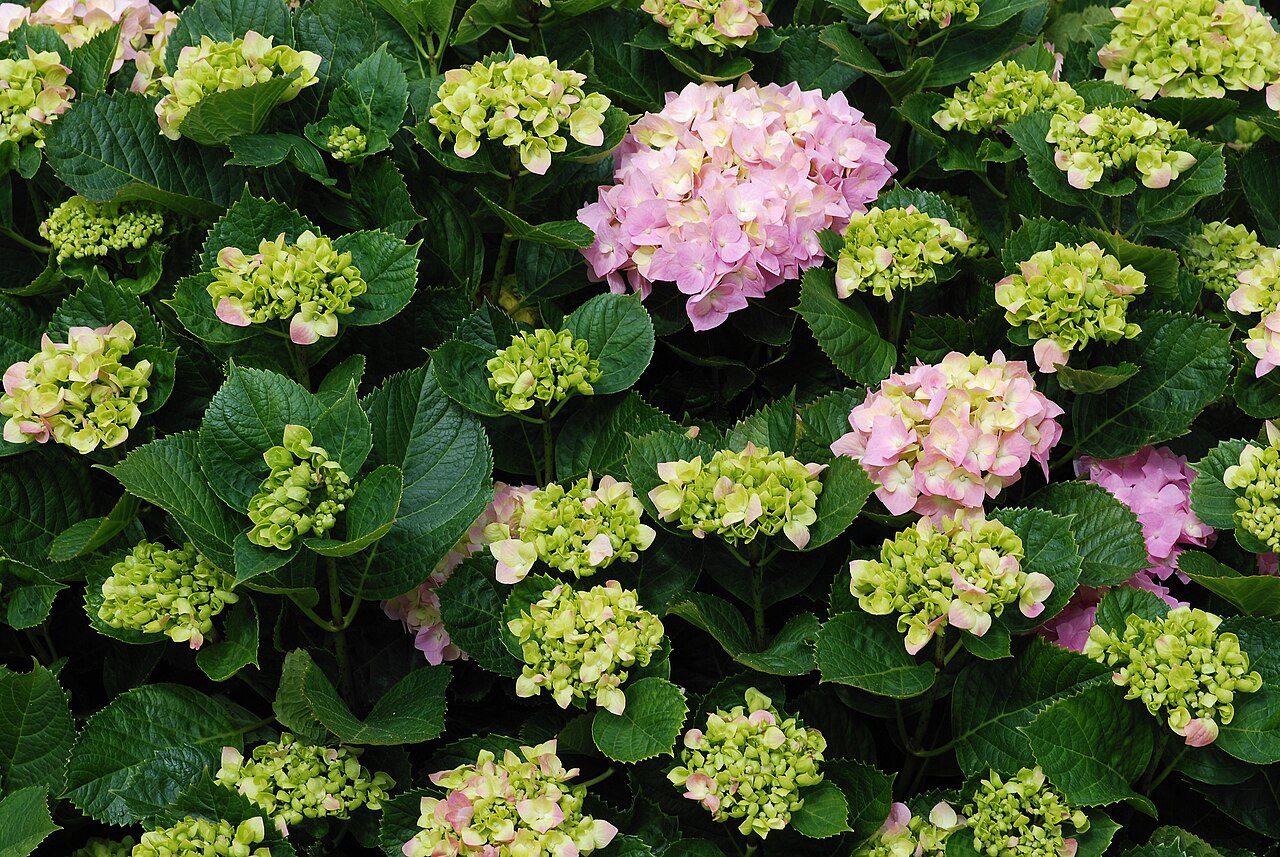
The big mophead hydrangea — blue, pink or purple globes in early summer on 3–5 ft plants. Beautiful, and the most demanding shrub on this list in North Texas: our sun, our clay and our alkaline water are all working against it, so treat it as a pampered accent rather than a landscape workhorse.
Morning sun and afternoon shade, full stop — east side of the house, or under high canopy. Never west. It needs a rich, acidic, well-drained bed; build it up with compost and pine bark, or grow it in a large pot where you control the soil.
Fall or spring. Ball an inch high in the amended bed, Root Stimulator, 3 inches of pine-bark mulch. Shallow roots need the mulch.
This is where people lose them. Deep water three times a week through summer, daily for pots in July and August. Afternoon wilting is normal; morning wilting means water now.
Acid-loving fertilizer in spring and early summer. Flower color follows soil pH — aluminum sulfate pushes blue, lime pushes pink. In our native alkaline soil they usually come out pink no matter what the tag said.
Old-fashioned mopheads bloom on last year's wood: prune right after flowering, never in winter or spring. 'Endless Summer' and other rebloomers flower on both, so you can tidy them any time. A late freeze after warm weather kills the buds — cover them.
Leaf scorch from sun and wind, iron chlorosis in high pH, bud loss from late freezes or wrong-season pruning.
Shade beds with holly fern, hosta, coral bells and Japanese maple. If this sounds like too much work, oakleaf hydrangea does most of it for you.
Written for Rockwall's black clay, heat and winters by the Landscape Source team. Every yard is different — bring a photo by, or ask LS-Ai, and we'll tailor it to your spot.