


Perennial · North Texas care guide
Hosta hybrids
Nursery Pro tip: North-side shade and steady water. Slugs are the main pest — iron-phosphate bait, not beer traps. Goes dormant in winter.
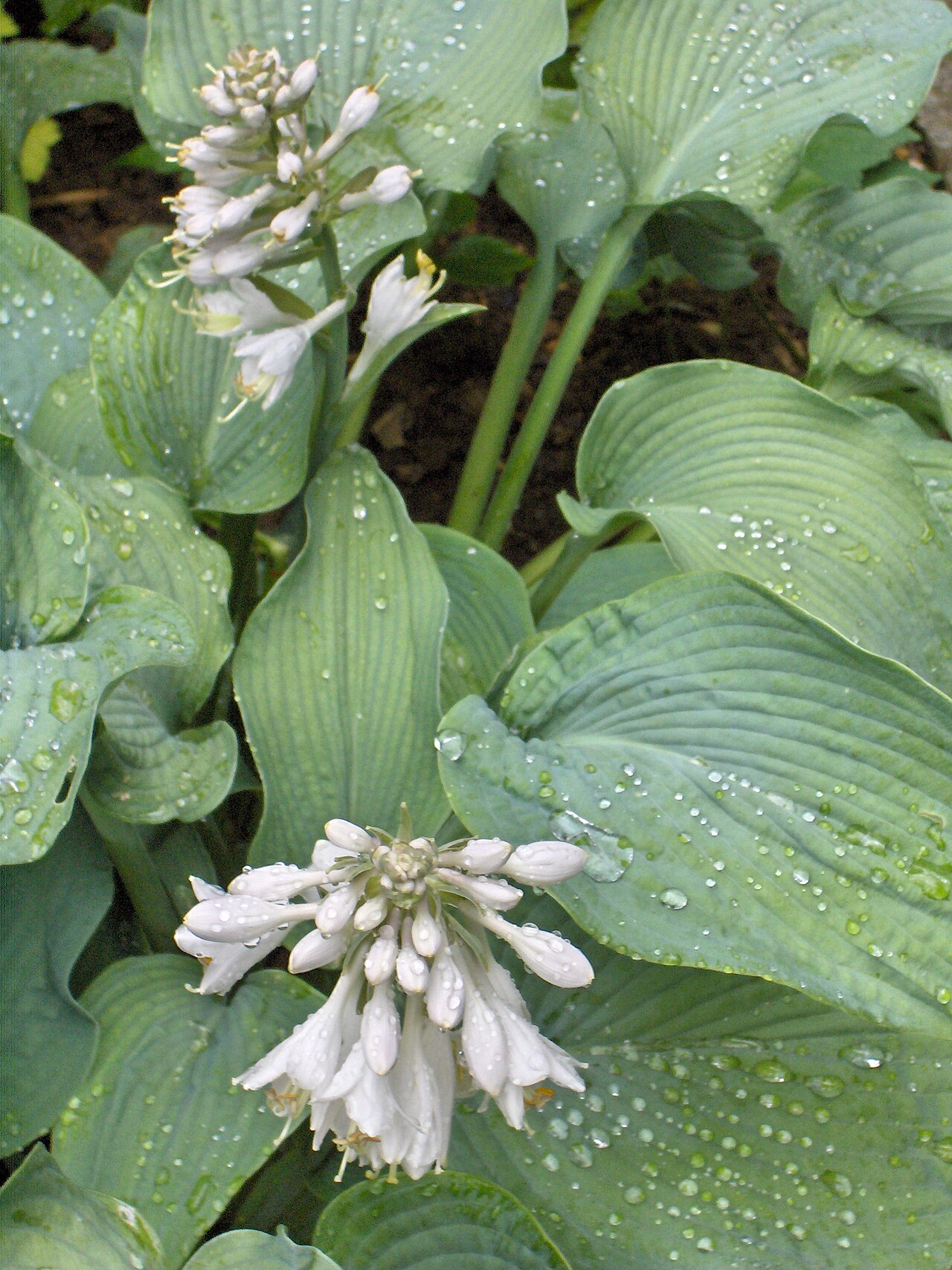
The classic shade perennial — bold mounds of blue, green, gold or variegated leaves, with lavender or white flower spikes in summer. In North Texas it's a genuine shade plant, not a part-sun one: give it the darkest, most protected bed you have and it will be beautiful.
Full to part shade, morning sun at most — any afternoon sun scorches the leaves by June. Rich, moist, well-drained soil with lots of compost. Under the north side of the house or beneath a dense canopy. Space 18–30 in apart depending on variety.
Fall or early spring. Wide hole, crown at soil level, native soil heavily amended with compost, Root Stimulator, 3 inches of mulch to keep the roots cool.
Deeply twice a week in summer — hostas are thirsty here. Never let them dry out in August.
Slow-release fertilizer in early spring as the shoots emerge.
Remove spent flower stalks. Cut the foliage back after it collapses with the first freeze. Divide in early spring every four or five years.
Sun scorch and drought, the two main failures here. Slugs and snails chew holes — bait or use iron phosphate. Deer eat them to the ground, so avoid them if deer visit your yard.
Deep shade with holly fern, coral bells, caladiums and Japanese maple.
Written for Rockwall's black clay, heat and winters by the Landscape Source team. Every yard is different — bring a photo by, or ask LS-Ai, and we'll tailor it to your spot.